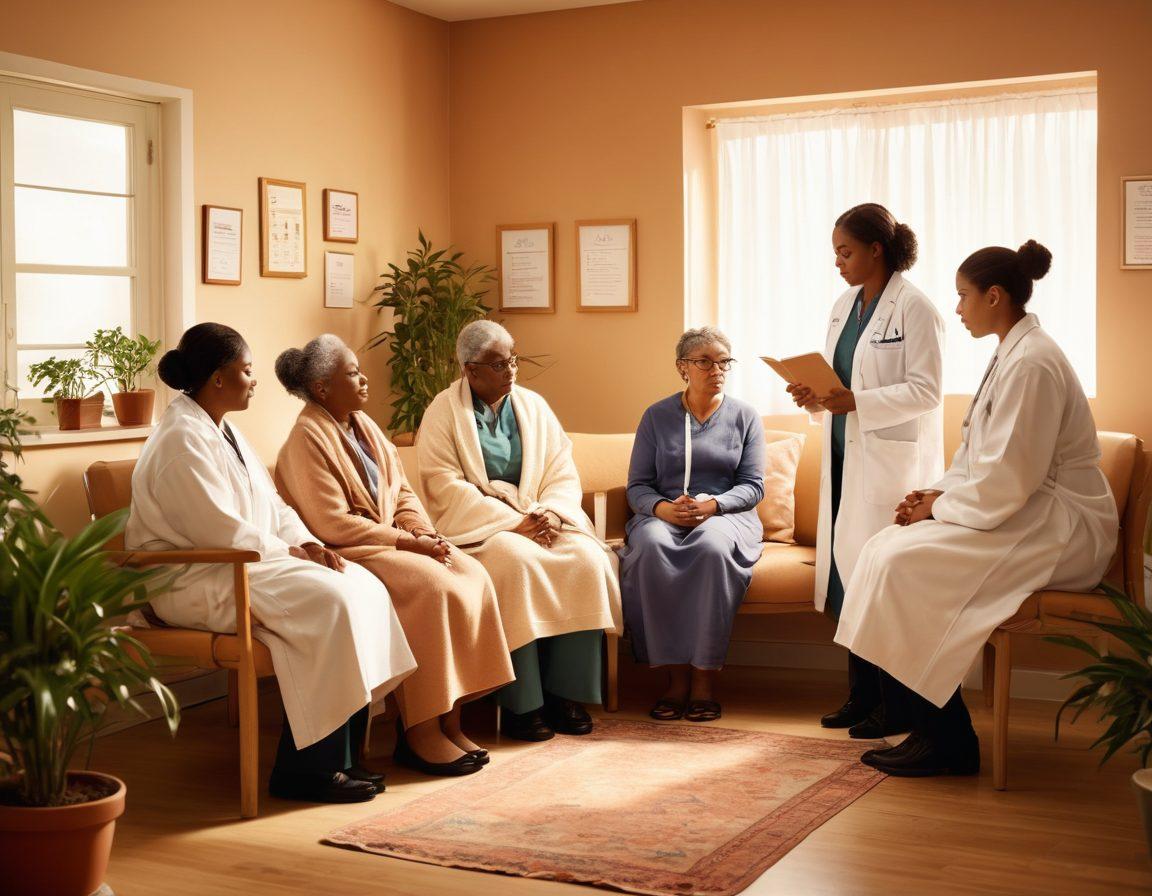
Navigating Cancer Care: Essential Resources and Support for Patients and Survivors
Imagine standing on the brink of a vast, uncharted territory filled with uncertainty and fear. This is often how patients feel upon receiving a cancer diagnosis. The complexity of navigating cancer care can be overwhelming, from deciphering medical jargon to making critical decisions about treatment options. But fear not! Today, we’ll explore empowering tools and resources that make this daunting journey a little less intimidating. As the saying goes, 'Knowledge is power,' and the more you know about your cancer care options, the better equipped you will be to manage your journey.
First and foremost, understanding the landscape of oncology is essential. Your oncologist serves as your trusted guide through the intricacies of cancer treatment, disease prevention, and chronic illness management. Ask them about their experience, and don’t hesitate to request a second opinion if needed. Remember, it’s your health — you deserve to feel confident in the decisions being made. In addition to health education, engaging actively in doctor-patient communication can empower you and create a collaborative partnership in your care plan.
Once you have established a relationship with your oncologist, tap into the wealth of cancer resources available to you. Whether it’s brochures from your local hospital, informational websites, or support groups, each resource offers invaluable insights into cancer symptoms, diagnosis, and therapy options. Are you curious about alternative treatments or clinical trials? Resources like the National Cancer Institute provide comprehensive information, allowing you to stay informed and empowered regarding the latest innovations in cancer care. Engaging with these aids can foster a sense of community support, giving you a network of people who understand your struggles and triumphs.
As you embark on this journey, take a moment to prioritize your mental health. The emotional toll of a cancer diagnosis cannot be understated. Incorporating wellness and recovery strategies into your routine can significantly enhance your quality of life. Explore opportunities for mental health support such as counseling, meditation, or mindfulness practices. Remember, it’s okay to seek help — after all, this path is challenging, and you don’t have to walk it alone. You might even find solace in support groups that offer understanding and encouragement from those who are walking a similar path.
Lastly, let's talk about lifestyle changes and nutritional support, which play a pivotal role during and after cancer therapy. A well-rounded diet and regular physical activity can strengthen your body and improve your recovery outcomes. Consider consulting a nutritionist who specializes in cancer care, as they can tailor a dietary plan suited to your individual needs. The road to survivorship is paved with small, actionable steps toward holistic health and well-being. Remember, your journey may be uniquely yours, but with the right resources in hand, you're more than capable of navigating through it with resilience and grace.
From Diagnosis to Recovery: Essential Support Systems for Cancer Survivors
The journey of a cancer survivor is one of immense courage and resilience. From the moment of cancer diagnosis, individuals are thrust into a world filled with uncertainty, fear, and a flood of new information. But amidst this daunting experience lies the profound power of support systems that can make all the difference in navigating cancer care. As we delve deeper into the essential support systems for cancer survivors, let's explore how community, resources, and holistic health strategies can guide us from diagnosis to recovery.
Imagine finding out you have a chronic illness like cancer. It's the kind of news that shakes you to your core, leaving you to ask, "Where do I go from here?" This is where patient advocacy becomes paramount. A supportive oncologist who understands your unique situation not only aids in cancer therapy but also becomes an integral part of your journey. Remember, effective doctor-patient communication can empower survivors to ask questions, engage in their health education, and make informed decisions about their treatment, paving the way for a profound experience of survivorship and healing.
As survivors embark on their recovery journey, nutritional support and wellness and recovery strategies play a vital role. Embracing lifestyle changes can significantly improve health outcomes. Think of your body as a garden that needs nurturing. By incorporating healthy foods and alternative treatments such as mindfulness or yoga into your routine, you're not just making adjustments; you're setting the stage for a blooming recovery. Dietary habits tailored for cancer care can help reduce symptoms, improve energy levels, and enhance quality of life during and after treatment.
Community support can be one of the most powerful tools in a survivor's toolkit. This support can come from various sources such as support groups where individuals share experiences and offer encouragement or from local organizations that provide valuable cancer resources. Engaging with others who have walked similar paths can be comforting; after all, as the adage goes, "No one fights alone." Finding solace in shared stories and experiences fosters a sense of belonging and empowers survivors, reminding them that they are not defined by their illness but by their journey and strength.
While medical advances have paved the way for clinical trials and innovative therapies, survivors now have more options than ever before. Exploring the right combination of palliative care, alternative treatments, and community resources can enrich the recovery process. Integrating mental health support into the survivorship journey also recognizes the need for emotional resilience when coping with the challenges of cancer. So, as we navigate through life after a cancer diagnosis, let’s embrace the resources available, connect with each other, and celebrate the incredible strength that comes from support and solidarity in the face of adversity.
Holistic Health Approaches: Integrating Wellness and Community in Cancer Care
Cancer care is a journey that transforms lives, not just for patients but for their families as well. Imagine standing on the edge of a vast ocean, waves of uncertainty crashing against the shore. With every diagnosis, patients face challenges that require not only cutting-edge oncology but a holistic health approach that nurtures the body, mind, and spirit.When thinking about wellness and recovery, one cannot overlook the profound impact of lifestyle changes that assist in chronic illness management. Integrating nutritional support into cancer therapy could mean the difference between feeling well and merely surviving. Even something as simple as the food on a plate can play a significant role in enhancing health awareness and disease prevention. Have you ever wondered how your diet could aid in alleviating cancer symptoms or fortifying your immune system during treatments?
Every journey is unique, and the road to recovery from cancer can often feel isolating. But remember, you're not alone. Community support is an invaluable resource that can uplift spirits and foster resilience. Whether through survivor meetups, support groups, or online forums, connecting with others who walk a similar path provides not just encouragement but a space to share insights on effective cancer resources. What if opening up to someone experiencing a similar journey allowed you to find that missing piece of comfort?
Mental health support is another crucial piece of the puzzle. It’s essential to prioritize emotional well-being alongside physical treatment. This dual approach reinforces the importance of doctor-patient communication; regular discussions about feelings and outlooks make patients feel seen and heard by their oncologists. Could it be that sharing fears and hopes helps to cultivate a more fulfilling experience during palliative care or survivorship? The strength found in vulnerability often opens doors to deeper connections with healthcare providers, paving the way for a more patient-advocacy-centered approach.
Investing in holistic health means embracing alternative treatments, such as yoga, meditation, or acupuncture, which can help alleviate stress and promote relaxation. Imagine stepping onto the mat and feeling the weight of anxiety evaporate with each breath! These practices not only enhance the quality of life but can also create harmony between body and spirit during the intricate ballet of cancer diagnosis and therapy. Are these wellness strategies part of your healing routine? If not, maybe it’s time to explore what works best for you.
Ultimately, navigating cancer care isn’t just about the medical aspect; it’s about fostering a community that celebrates life beyond cancer. By incorporating wellness, health education, and the shared strength of survivors and caregivers, we create ecosystems that support everyone involved. When faced with the complexities of cancer, the message is clear - embrace holistic health and become an active participant in your journey. Through love, support, and conscious care choices, every survivor has the potential to thrive and inspire. How will you choose to embark on your wellness journey today?